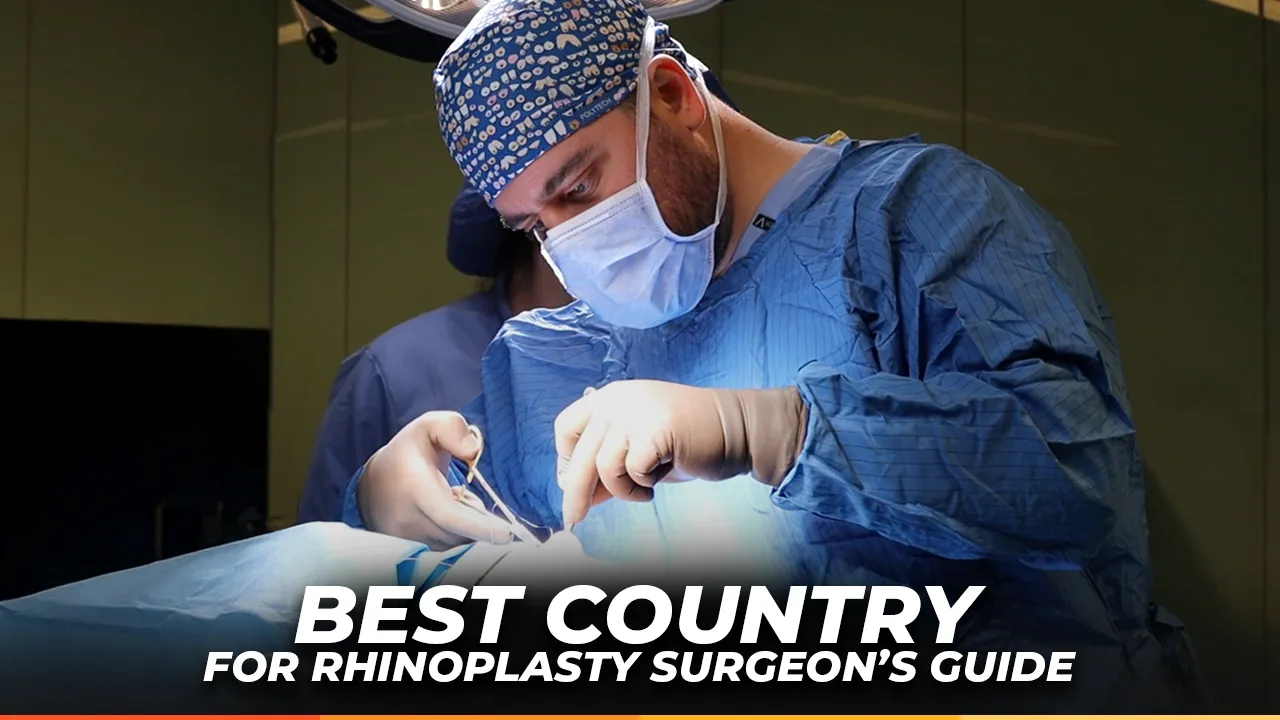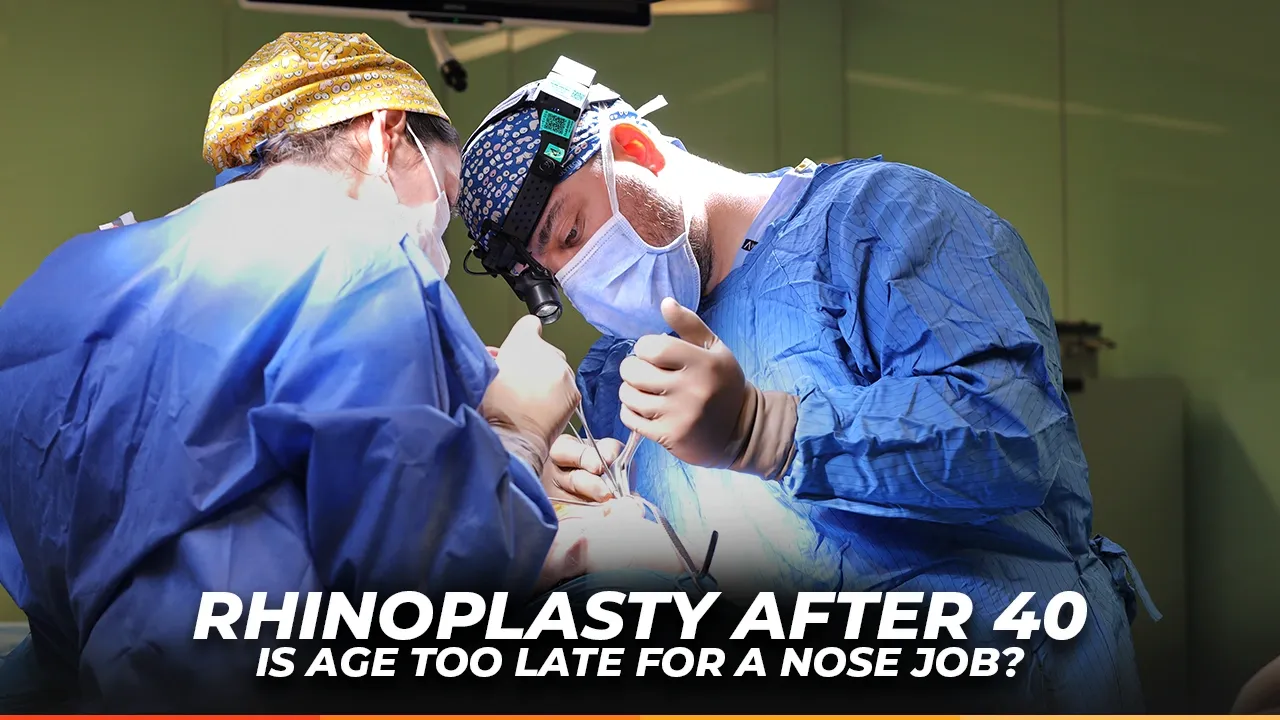


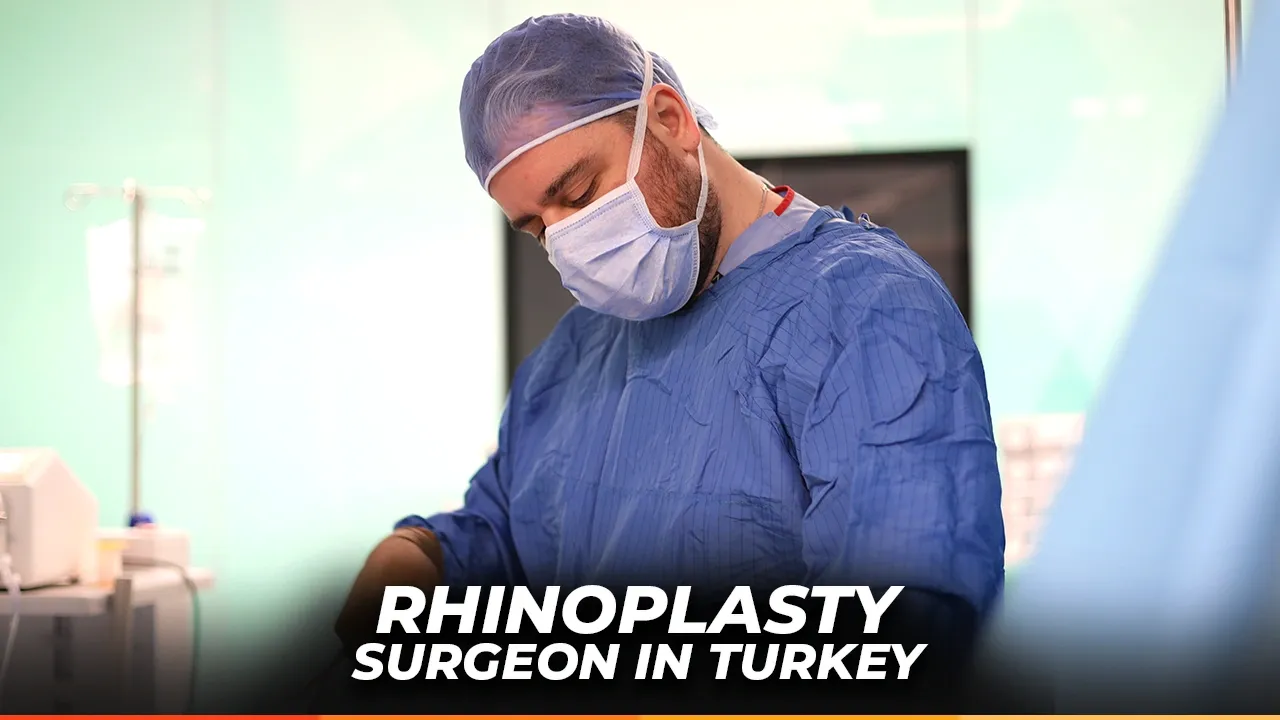
Patients who look into rhinoplasty in Turkey are rarely looking for a lower price alone. They want a surgeon who understands nasal structure, plans for breathing as well as appearance, and produces a result that still looks natural years later.
Turkey is one of the most popular destinations for nose surgery, especially for patients from the UK, the US and Europe. This guide explains what Dr. Furkan Certel’s approach to rhinoplasty involves:
- Why patients travel to Turkey for rhinoplasty
- What to look for in a rhinoplasty surgeon
- Open and closed techniques
- Structural and preservation methods
- Rhinoplasty for thick skin and different ethnic backgrounds
- Revision rhinoplasty
- Long-term safety and breathing function
If you are considering the operation, it will help you understand why the surgeon’s experience matters more than the destination.
Why Patients Travel to Turkey for Rhinoplasty
Over the last decade, Turkey has built a large practice in nasal surgery. Patients are drawn by:
- High surgical volume
- Surgeons with dedicated rhinoplasty training
- Modern structural and preservation techniques
- Well-equipped private hospitals
- Lower prices than in many Western countries
Price should never be the deciding factor, though. The quality of the surgeon’s planning determines both how the nose looks and how well you breathe.
Dr. Furkan Certel plans every rhinoplasty around both goals: refining the shape and preserving or improving airflow.
What Makes a Rhinoplasty Specialist?
Rhinoplasty is one of the most demanding operations in plastic surgery, and results depend heavily on experience with nasal anatomy.
A surgeon with focused rhinoplasty experience pays attention to:
- Nasal structure and airway function
- Cartilage grafting techniques
- Dorsal preservation methods
- Precise tip refinement
- Thick-skin, ethnic and revision cases
Choosing an experienced surgeon helps with:
- Lowering the chance of revision
- Keeping results stable over time
- Natural facial harmony
- Reducing the risk of complications
When you compare surgeons, ask how many rhinoplasties they perform and look at before-and-after photos of noses similar to yours.
Modern Rhinoplasty Techniques
Today’s rhinoplasty uses several techniques, and the surgeon chooses among them for each nose.
1. Structural Rhinoplasty
Cartilage grafts support and reshape the nasal framework, which helps prevent collapse and keeps the result stable over time.
2. Preservation Rhinoplasty
The natural dorsum (the bridge of the nose) is lowered or reshaped while its original structure is kept. It suits selected noses with a hump; others are better treated with structural techniques.
3. Ultrasonic (Piezo) Rhinoplasty
Piezo instruments reshape bone precisely while sparing the surrounding soft tissue, which may mean less bruising and swelling for some patients.
4. Closed vs Open Rhinoplasty
Closed rhinoplasty uses incisions inside the nose; open rhinoplasty adds a small incision across the columella for better access to the tip. The choice depends on your anatomy and on how much change is needed.
Rhinoplasty for Thick Skin and Ethnic Noses
Many international patients need a surgeon who understands:
- Thick skin
- A wide nasal base
- Dorsal humps
- Balanced tip projection
The aim is to refine the nose while keeping features that belong to the patient’s ethnic identity.
These cases often require cartilage grafts to give the tip definition beneath thicker skin.
Revision Rhinoplasty: Correcting Previous Nose Surgery
Some patients come to Turkey after an unsatisfactory first operation elsewhere.
Revision surgery often requires:
- Cartilage grafting
- Septal reconstruction
- Rib cartilage when the septum has already been used
- Functional airway repair
The surgeon has to rebuild support that the first operation removed or weakened.
Revision cases are among the most complex operations in rhinoplasty, so plan for a longer consultation and recovery.
Functional Rhinoplasty: Breathing Matters
Many patients want a nose that looks better and breathes better.
Functional rhinoplasty treats:
- A deviated septum
- Nasal valve collapse
- Breathing obstruction
A well-planned operation improves airflow while the shape is refined, instead of trading one for the other.
Long-Term Results
A common question is how long rhinoplasty lasts.
The bone and cartilage changes are permanent, although the nose continues to age with the rest of the face. Good structural support helps prevent:
- Nasal collapse
- Tip drooping
- Asymmetry over time
Final refinement takes time: most swelling settles in the first months, and the tip can take a year or longer to fully define.
Safety and Risks
Patients often ask:
- Is rhinoplasty dangerous?
- How risky is a nose job?
- How many nose jobs go wrong?
Serious complications are uncommon. In a study of 4,978 aesthetic rhinoplasty patients published in Aesthetic Surgery Journal, the major complication rate was 0.7%. Patients aged 40 or over had a somewhat higher risk. Dissatisfaction with the shape, which can lead to revision, is more common than medical complications, which is why careful planning matters.
Are You a Good Candidate for Rhinoplasty?
Good candidates are healthy, have finished facial growth and have realistic expectations about what surgery can change.
Dr. Furkan sees a wide range of patients:
- Women and men of different ages
- Patients with thick skin or ethnic nasal features
- Patients seeking revision after a previous operation
Each patient receives an honest assessment of what can and cannot be achieved.
What to Expect: Your Rhinoplasty Journey with Dr. Furkan
The process typically goes like this:
- Virtual or in-person consultation
- Facial analysis and a personalized surgical plan
- Surgery in an accredited private hospital
- Recovery with scheduled follow-up visits
For international patients, a coordinator helps with logistics, accommodation and translation.
Why Patients Choose Dr. Furkan Certel
Patients who choose Dr. Furkan Certel usually look for:
- Experience with complex and revision cases
- Before-and-after results they can review
- Structural methods that keep results stable
- Care that considers breathing as well as appearance
- Experience with international patients
His approach to rhinoplasty combines:
- Individual facial analysis
- Long-term structural planning
- Natural refinement rather than a standard nose shape
- Preserving breathing function
Whoever you choose, look for focused rhinoplasty experience rather than general claims.
Frequently Asked Questions (FAQs)
1. Why is rhinoplasty in Turkey so popular?
Turkey has many experienced rhinoplasty surgeons, modern hospitals and lower prices than most Western countries.
2. How do I choose a rhinoplasty surgeon in Turkey?
Check board certification, ask how many rhinoplasties the surgeon performs and review before-and-after photos of similar noses.
3. Is rhinoplasty in Turkey safe?
It can be, with an experienced surgeon and an accredited hospital. Serious complications are uncommon.
4. How long do the results last?
The structural changes are permanent, although the nose keeps aging naturally with the face.
5. What is preservation rhinoplasty?
A technique that reshapes the bridge of the nose while keeping its natural structure. It suits selected noses.
6. What is structural rhinoplasty?
A technique that uses cartilage grafts to support and reshape the nasal framework.
7. What is ultrasonic rhinoplasty?
Rhinoplasty in which bone is reshaped with piezo instruments instead of conventional chisels.
8. Can breathing improve after rhinoplasty?
Yes. A deviated septum or narrow nasal valves can be corrected during the same operation.
9. How long is recovery?
The splint usually comes off after 7–10 days, and most people return to work then. Swelling settles over the following months.
10. Can a nose collapse years later?
It is rare when the nasal structure is properly supported.
11. Is 40 too old for rhinoplasty?
No. Healthy adults can have rhinoplasty at any age, although the risk of complications is slightly higher after 40.
12. Which noses are hardest to fix?
Revision cases and noses with very thick skin are the most demanding.
Final Thoughts
If you are researching rhinoplasty in Turkey, remember that technique and structural knowledge determine your outcome more than the destination does.
The right surgeon plans for:
- Natural harmony with your face
- Better or preserved breathing
- Long-lasting structural support
- A safe, carefully executed operation
Take time to compare surgeons, review their results and ask direct questions before you book.
Sources
- Dorsal Preservation Versus Structural Techniques and Their Application Facial Plastic Surgery Clinics of North America, 2024
- Piezoelectric Versus Conventional Rhinoplasty: A GRADE-Assessed Systematic Review and Meta-analysis of Randomized Controlled Trials Aesthetic Surgery Journal, 2026
- Incidence and Preoperative Risk Factors for Major Complications in Aesthetic Rhinoplasty: Analysis of 4978 Patients Aesthetic Surgery Journal, 2017
- ISAPS International Survey on Aesthetic/Cosmetic Procedures performed in 2024 International Society of Aesthetic Plastic Surgery (ISAPS), 2025
- Rhinoplasty American Society of Plastic Surgeons
- Rhinoplasty Candidates American Society of Plastic Surgeons
- Nose reshaping (rhinoplasty) NHS, 2023